
When one of our kids was in early elementary school the drop off and pick up line became a source of daily stress. In the morning there would be complaints about not feeling well or other complaints that indicated nerves. After reassurance, my child would dutifully gather their things and go into the school and I could breathe for a moment.
After school my child would get in the car and as soon as the door closed a massive emotional meltdown would begin. Tears. Screaming. Stomping. Flailing. You name it, we had that reaction. And for the longest time I had no idea what was going on–I only knew that it wasn’t normal. But when I talked to adults I got the same response “There’s nothing wrong. They’re doing great at school.”
For many families, like mine, the school day didn’t end when the final bell rang.
It ends in the car or when the front door closes and the child who seemed “fine” all day suddenly falls apart.
For your family, maybe it looks like tears over something small.
Maybe it’s frustration, irritability, or explosive anger.
Maybe your child shuts down completely.
And if you’ve ever mentioned this to someone outside your home, you may have heard the same thing I did:
“But they’re doing great at school.”
While meant to be reassuring, it instead ends up coming across as dismissive.
However, my encouragement to you is that the after-school meltdown is actually a very common experience, especially for children who are working extra hard to navigate hidden challenges during the school day.
In many cases, the meltdown isn’t a sign that something is wrong with your parenting or your child. It’s a sign of just how hard they’ve been working to hold it together.
The Hidden Effort of “Holding It Together”
I think we can all agree that school environments place a tremendous number of demands on our children whether intentional or not.
Our children are expected to:
- Sit still for long periods
- Follow multi-step instructions
- Manage social interactions
- Transition quickly between activities
- Regulate emotions and behavior
- Process large amounts of information
For children with strong executive functioning and regulation skills, these demands are manageable most of the time, but for children with challenges related to attention, anxiety, sensory processing, learning differences, or executive functioning, managing the school day can require extraordinary effort.
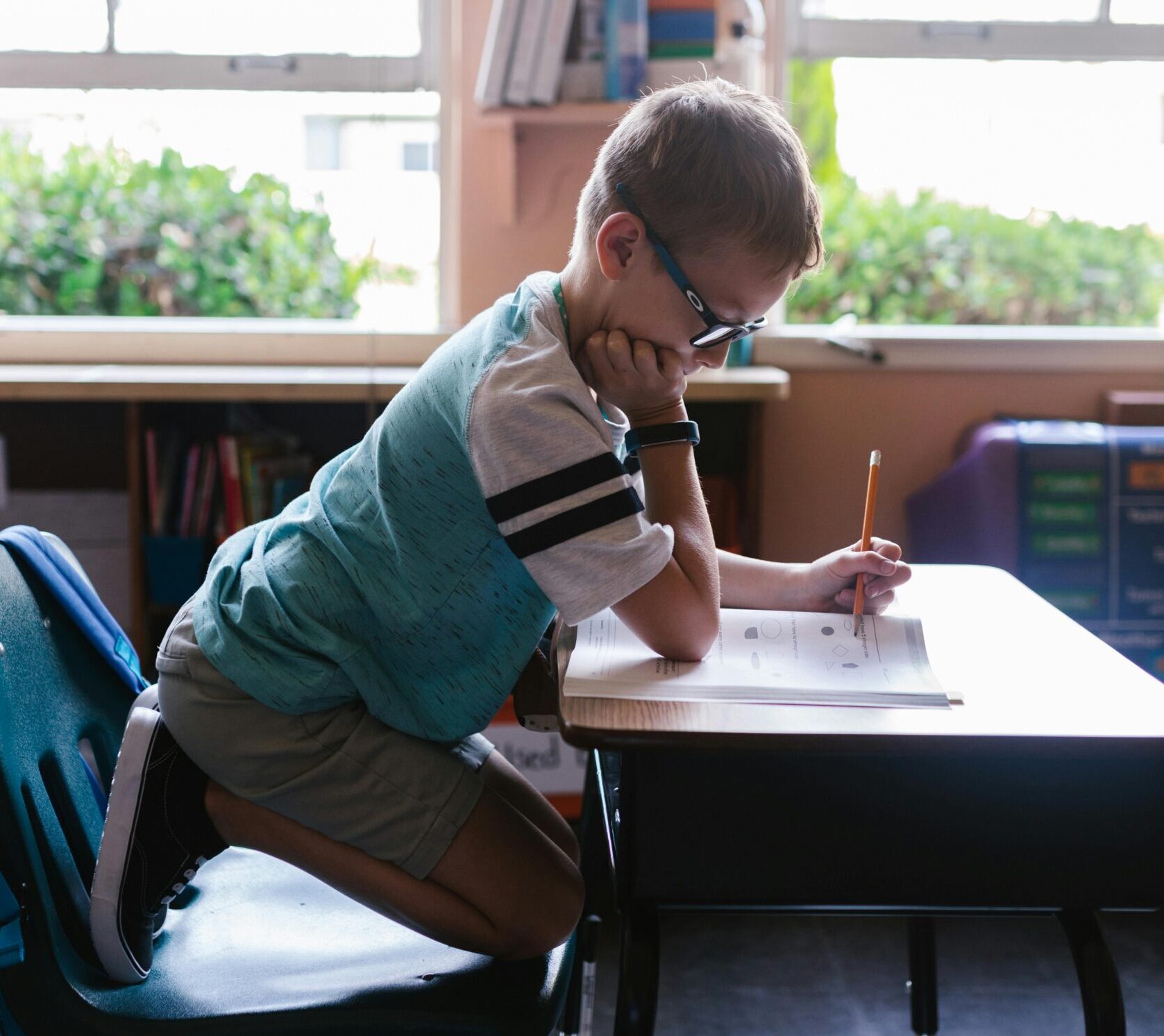
Some children cope by masking their difficulties throughout the day.
They focus intensely on behaving well.
They suppress frustration.
They push through confusion or overwhelm.
This type of self-control requires a significant amount of mental energy. Research shows that executive functioning and self-regulation rely on cognitive resources that can become depleted after sustained effort (Diamond, 2013).
By the time the school day ends, those internal reserves are often empty.
When your child finally reaches the safety of home, their brain and body simply can’t hold everything in any longer.
Home Is the Safe Place to Fall Apart
One of the most confusing aspects of after-school meltdowns is that they often happen with the people a child loves most.
Parents sometimes wonder:
Why do they save their worst behavior for me?
The answer is actually rooted in trust.
Children tend to release their emotions where they feel safest.
At school, they may be trying very hard to meet expectations or avoid standing out. At home, the pressure lifts. Their nervous system finally has permission to relax.
And sometimes relaxation looks messy.
The tears, frustration, or anger that appear after school are often stored stress finally being released.
Psychologists sometimes describe this as a “restraint collapse”—a moment when the effort of holding everything together all day gives way once the child reaches a safe environment.
It’s not manipulation.
It’s exhaustion.
Sensory and Cognitive Overload
Another reason children may melt down after school is sensory overload.
Schools are busy places.
There are bright lights, loud hallways, constant transitions, and ongoing social demands. Even children who enjoy school can experience significant sensory and cognitive fatigue by the end of the day.
For children who process information differently, this fatigue can build quickly.
Imagine trying to concentrate in a noisy room all day while also navigating complex social rules and academic expectations.
By the time a child gets home, their brain may be signaling:
I can’t take in anything else right now.
The meltdown becomes the release valve.
What You Can Do to Help
Understanding the cause of after-school meltdowns doesn’t make them any easier, but it can help us respond with compassion rather than frustration.
A few small shifts can make a big difference.
- Create a decompression routine
Many children benefit from quiet transition time when they get home.
This might look like:
- A snack and some quiet time
- Time outside
- Reading or drawing
- Listening to music
- Playing with a favorite toy
The goal is not to ask questions or start homework immediately. Instead, it’s to give your child space to regulate.
- Delay heavy conversations
Parents naturally want to know about their child’s day.
But if your child is emotionally exhausted, questions like “How was school?” may feel overwhelming.
Waiting until later in the evening often leads to more meaningful conversations.
- Look for patterns
If meltdowns happen consistently, it can be helpful to notice patterns.
Does it happen more on certain days? After certain classes? When homework expectations start immediately?
These patterns can sometimes reveal underlying stressors.
- Remember what the meltdown means
Perhaps most importantly, remember this:
A meltdown at home often means your child feels safe with you.
That safety is something deeply valuable—even if it comes with a few emotional storms along the way.
A Final Note of Encouragement
Parenting a child who melts down after school can feel confusing and exhausting.
Especially when everyone else insists they are fine.
But the fact that your child releases their emotions with you speaks to the trust they have in your presence.
You are their safe place.
And that kind of security is one of the most powerful supports a child can have as they grow and learn to navigate the world.
References
Diamond, A. (2013). Executive functions. Annual Review of Psychology, 64, 135–168.
Why Your Child Melts Down After School
When one of our kids was in early elementary school the drop off and pick up line became a source of daily stress. In the morning there would be complaints about not feeling well or other complaints that indicated nerves. After reassurance, my child would dutifully gather their things and go into the school and I could breathe for a moment.
After school my child would get in the car and as soon as the door closed a massive emotional meltdown would begin. Tears. Screaming. Stomping. Flailing. You name it, we had that reaction. And for the longest time I had no idea what was going on–I only knew that it wasn’t normal. But when I talked to adults I got the same response “There’s nothing wrong. They’re doing great at school.”
For many families, like mine, the school day didn’t end when the final bell rang.
It ends in the car or when the front door closes and the child who seemed “fine” all day suddenly falls apart.
For your family, maybe it looks like tears over something small.
Maybe it’s frustration, irritability, or explosive anger.
Maybe your child shuts down completely.
And if you’ve ever mentioned this to someone outside your home, you may have heard the same thing I did:
“But they’re doing great at school.”
While meant to be reassuring, it instead ends up coming across as dismissive.
However, my encouragement to you is that the after-school meltdown is actually a very common experience, especially for children who are working extra hard to navigate hidden challenges during the school day.
In many cases, the meltdown isn’t a sign that something is wrong with your parenting or your child. It’s a sign of just how hard they’ve been working to hold it together.
The Hidden Effort of “Holding It Together”
I think we can all agree that school environments place a tremendous number of demands on our children whether intentional or not.
Our children are expected to:
- Sit still for long periods
- Follow multi-step instructions
- Manage social interactions
- Transition quickly between activities
- Regulate emotions and behavior
- Process large amounts of information
For children with strong executive functioning and regulation skills, these demands are manageable most of the time, but for children with challenges related to attention, anxiety, sensory processing, learning differences, or executive functioning, managing the school day can require extraordinary effort.
Some children cope by masking their difficulties throughout the day.
They focus intensely on behaving well.
They suppress frustration.
They push through confusion or overwhelm.
This type of self-control requires a significant amount of mental energy. Research shows that executive functioning and self-regulation rely on cognitive resources that can become depleted after sustained effort (Diamond, 2013).
By the time the school day ends, those internal reserves are often empty.
When your child finally reaches the safety of home, their brain and body simply can’t hold everything in any longer.
Home Is the Safe Place to Fall Apart
One of the most confusing aspects of after-school meltdowns is that they often happen with the people a child loves most.
Parents sometimes wonder:
Why do they save their worst behavior for me?
The answer is actually rooted in trust.
Children tend to release their emotions where they feel safest.
At school, they may be trying very hard to meet expectations or avoid standing out. At home, the pressure lifts. Their nervous system finally has permission to relax.
And sometimes relaxation looks messy.
The tears, frustration, or anger that appear after school are often stored stress finally being released.
Psychologists sometimes describe this as a “restraint collapse”—a moment when the effort of holding everything together all day gives way once the child reaches a safe environment.
It’s not manipulation.
It’s exhaustion.
Sensory and Cognitive Overload
Another reason children may melt down after school is sensory overload.
Schools are busy places.
There are bright lights, loud hallways, constant transitions, and ongoing social demands. Even children who enjoy school can experience significant sensory and cognitive fatigue by the end of the day.
For children who process information differently, this fatigue can build quickly.
Imagine trying to concentrate in a noisy room all day while also navigating complex social rules and academic expectations.
By the time a child gets home, their brain may be signaling:
I can’t take in anything else right now.
The meltdown becomes the release valve.
What You Can Do to Help
Understanding the cause of after-school meltdowns doesn’t make them any easier, but it can help us respond with compassion rather than frustration.
A few small shifts can make a big difference.
- Create a decompression routine
Many children benefit from quiet transition time when they get home.
This might look like:
- A snack and some quiet time
- Time outside
- Reading or drawing
- Listening to music
- Playing with a favorite toy
The goal is not to ask questions or start homework immediately. Instead, it’s to give your child space to regulate.
- Delay heavy conversations
Parents naturally want to know about their child’s day.
But if your child is emotionally exhausted, questions like “How was school?” may feel overwhelming.
Waiting until later in the evening often leads to more meaningful conversations.
- Look for patterns
If meltdowns happen consistently, it can be helpful to notice patterns.
Does it happen more on certain days? After certain classes? When homework expectations start immediately?
These patterns can sometimes reveal underlying stressors.
- Remember what the meltdown means
Perhaps most importantly, remember this:
A meltdown at home often means your child feels safe with you.
That safety is something deeply valuable—even if it comes with a few emotional storms along the way.
A Final Note of Encouragement
Parenting a child who melts down after school can feel confusing and exhausting.
Especially when everyone else insists they are fine.
But the fact that your child releases their emotions with you speaks to the trust they have in your presence.
You are their safe place.
And that kind of security is one of the most powerful supports a child can have as they grow and learn to navigate the world.
References
Reference
Diamond, A. (2013). Executive functions. Annual Review of Psychology, 64, 135–168.

leave a comment
share
share
share